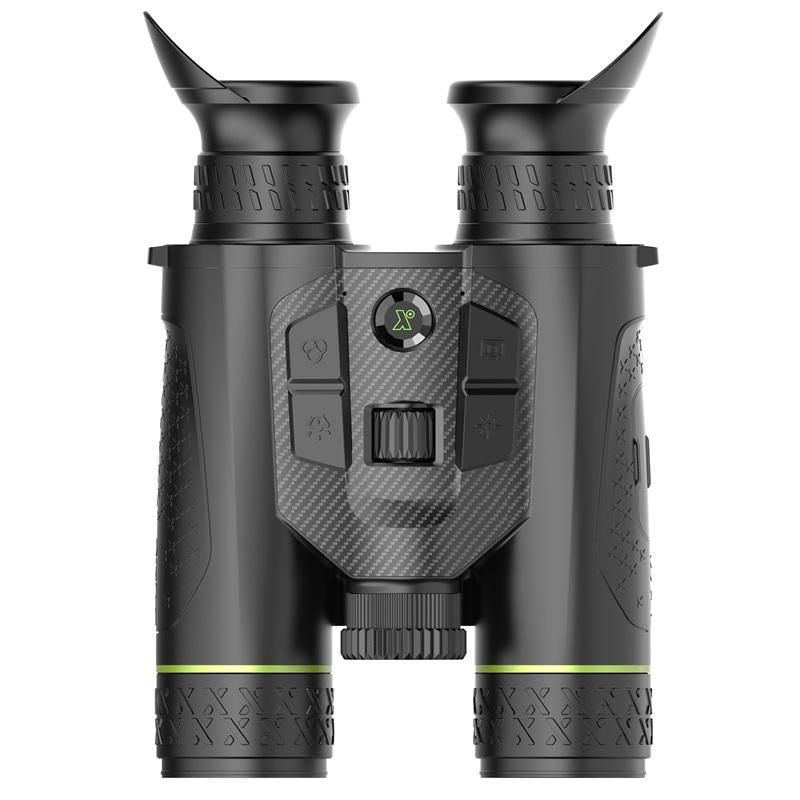
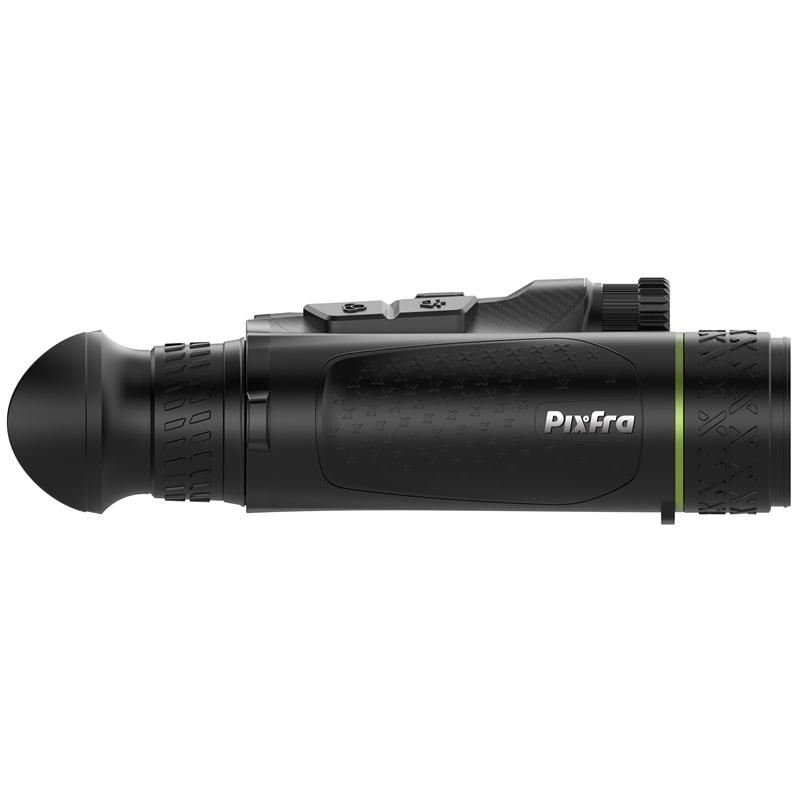
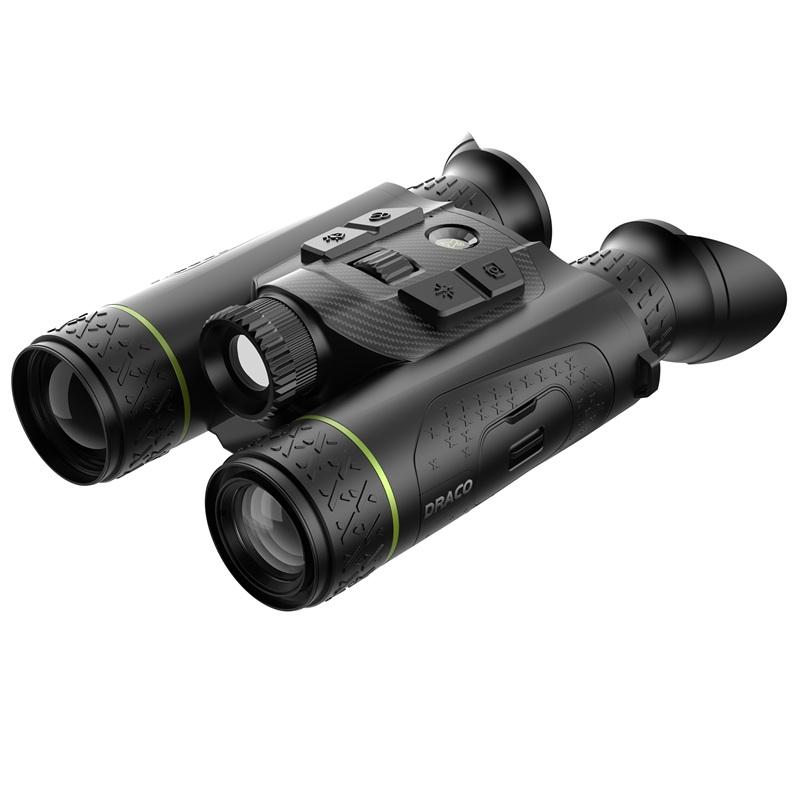
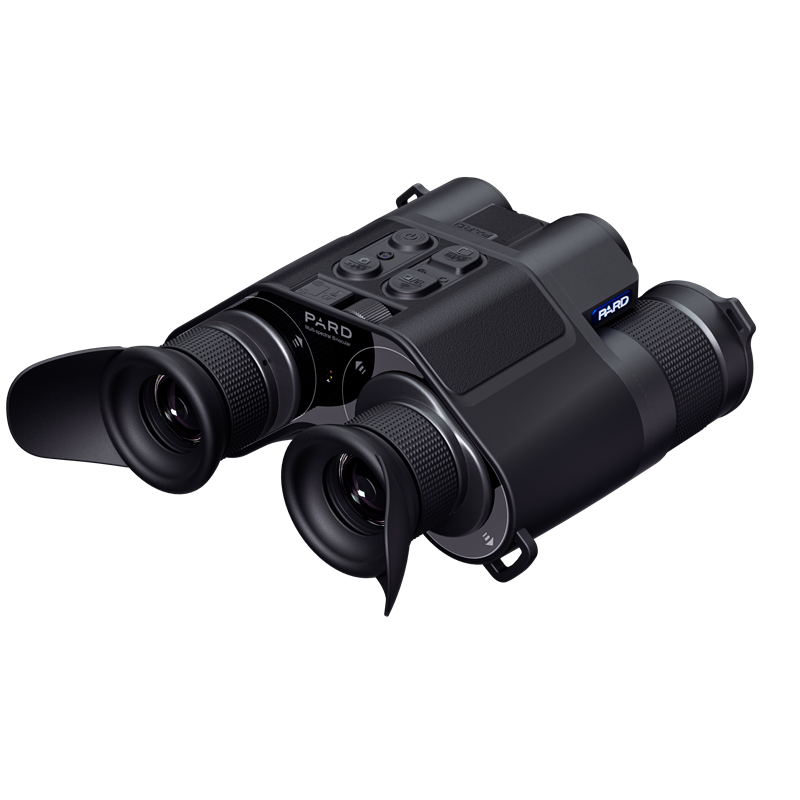
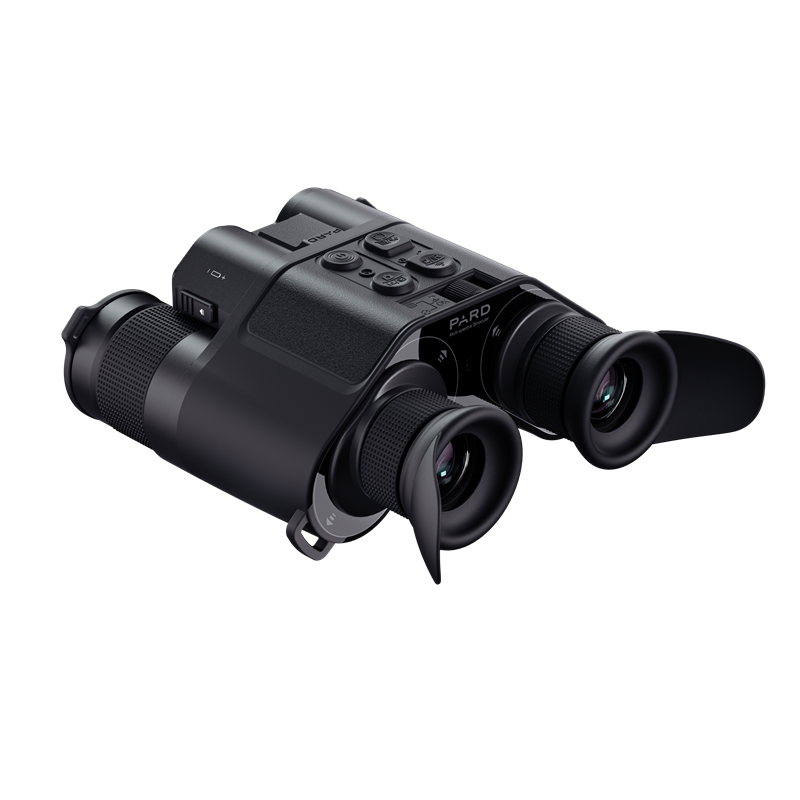
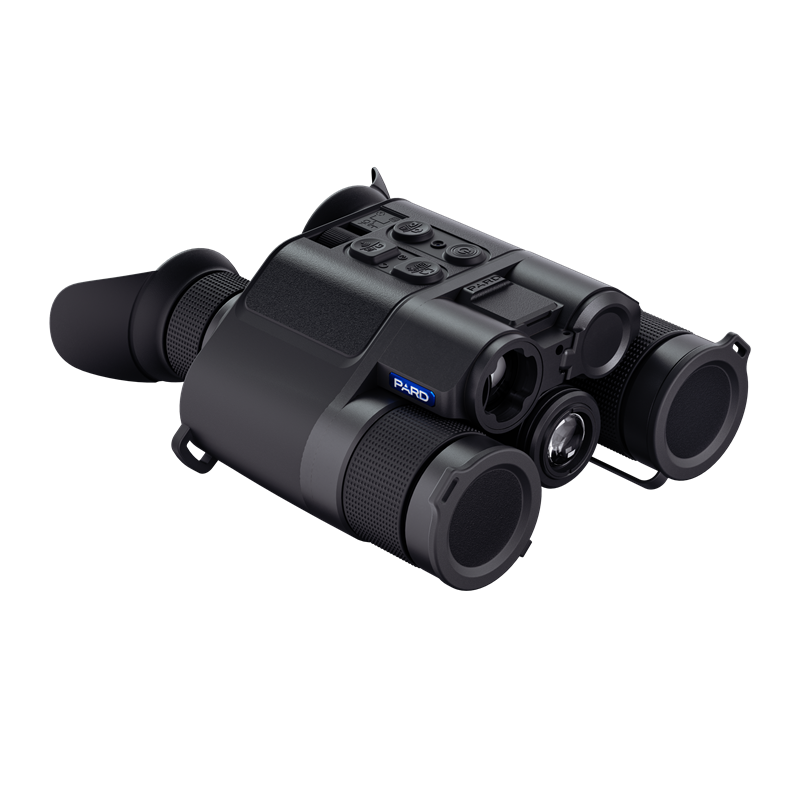
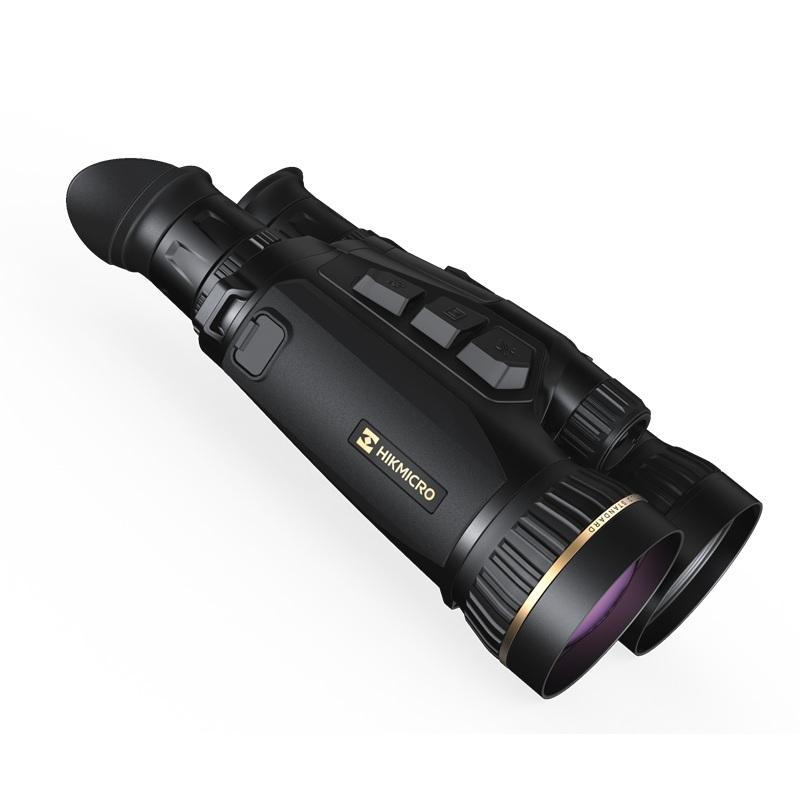
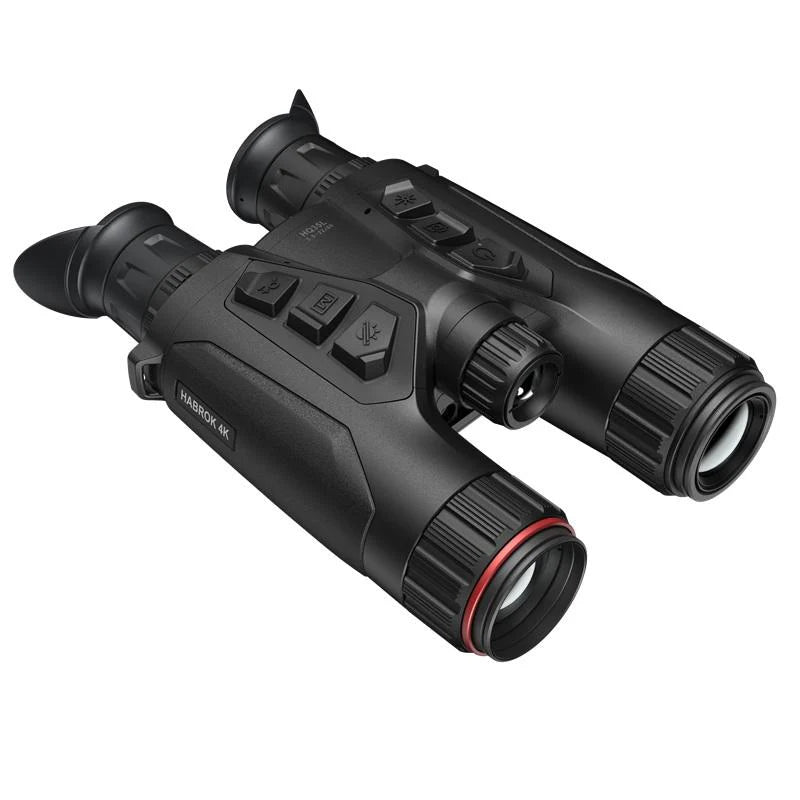
Binocular Thermal Imaging Device for Perfect Vision Day and Night
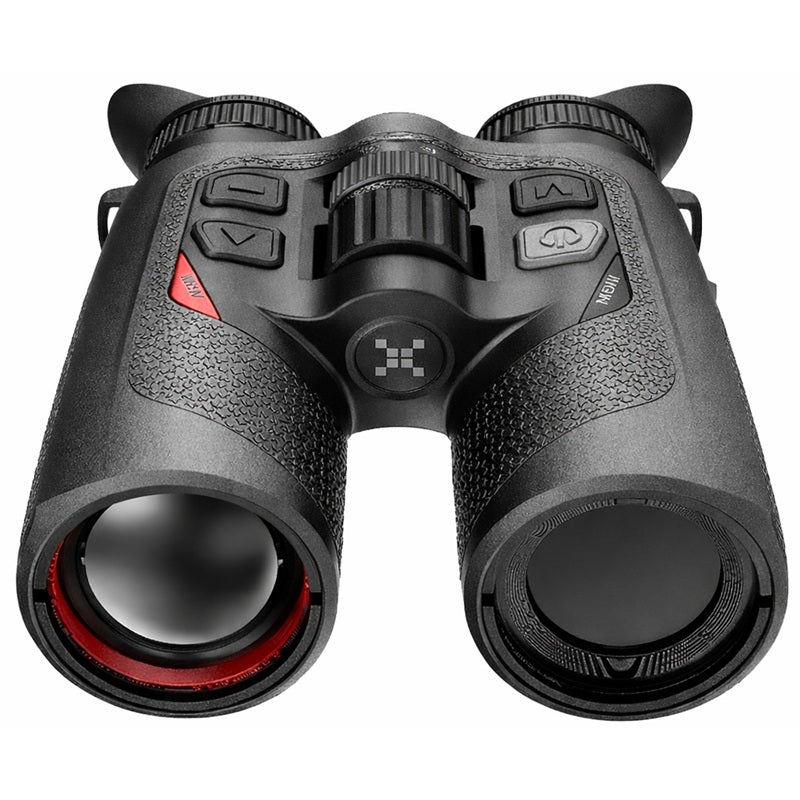
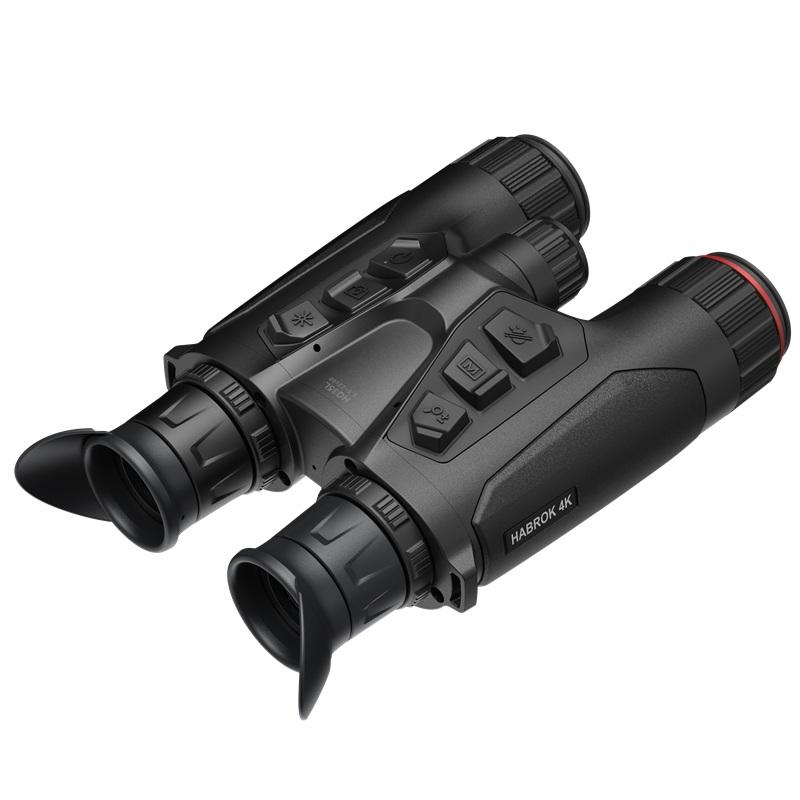
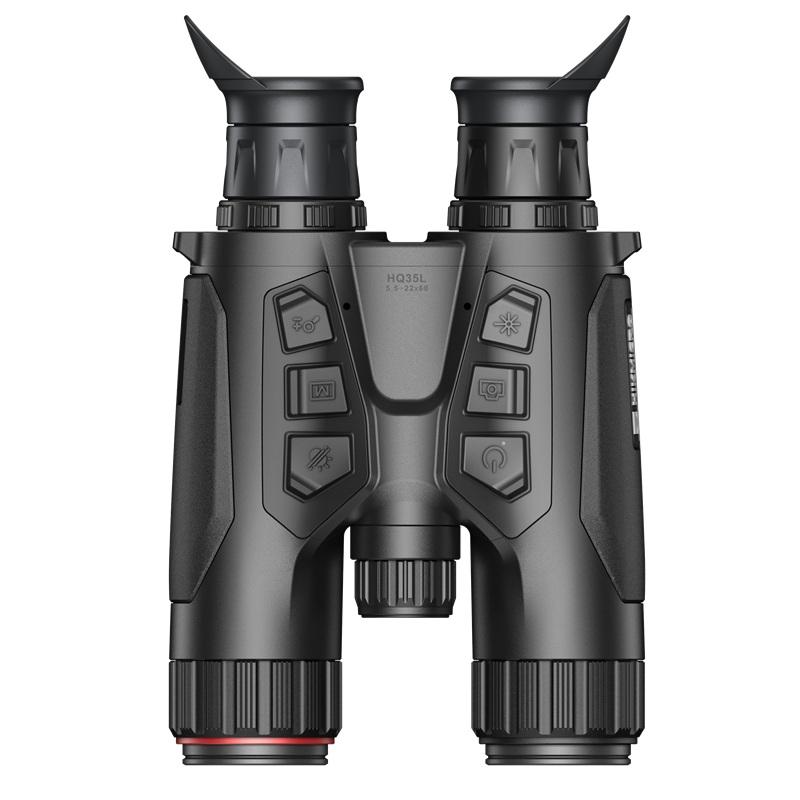
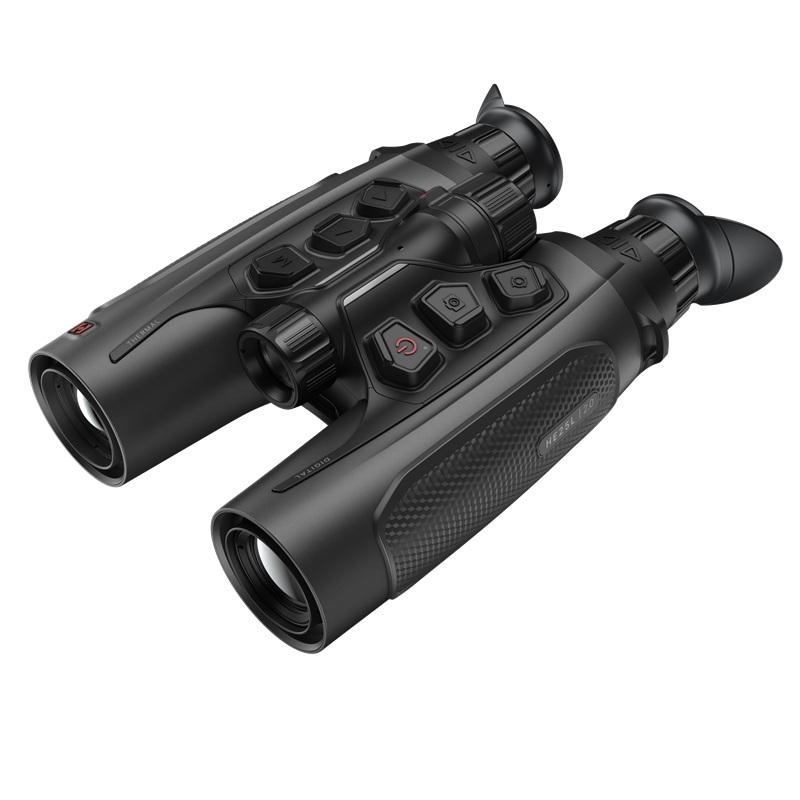
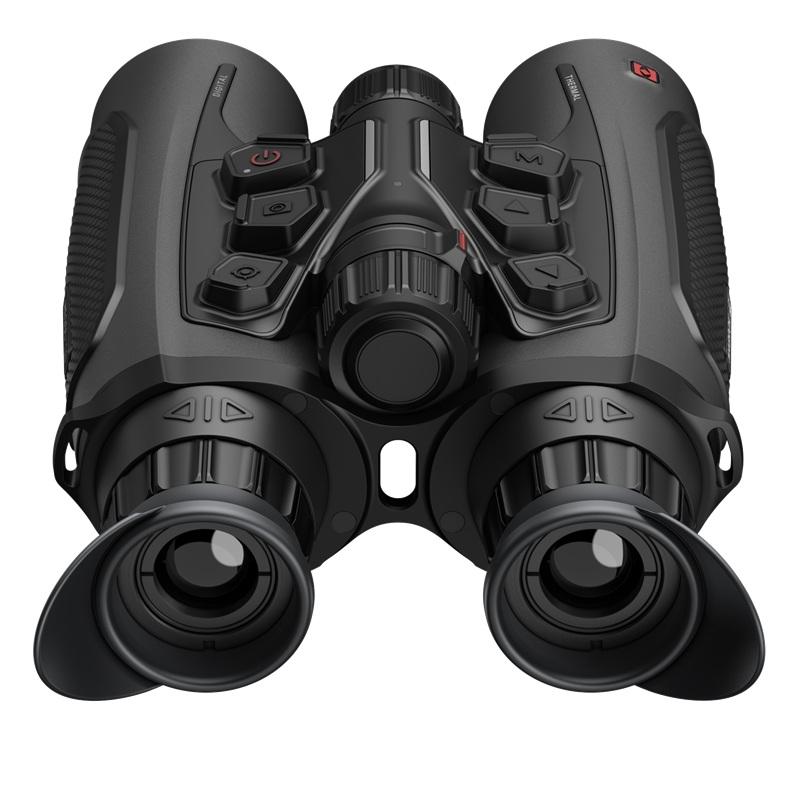
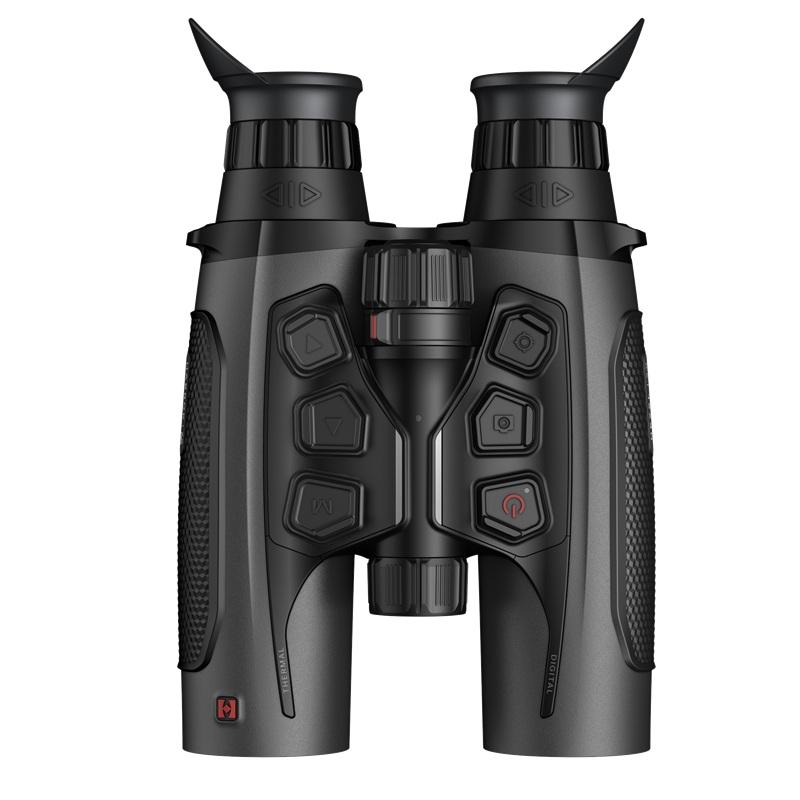
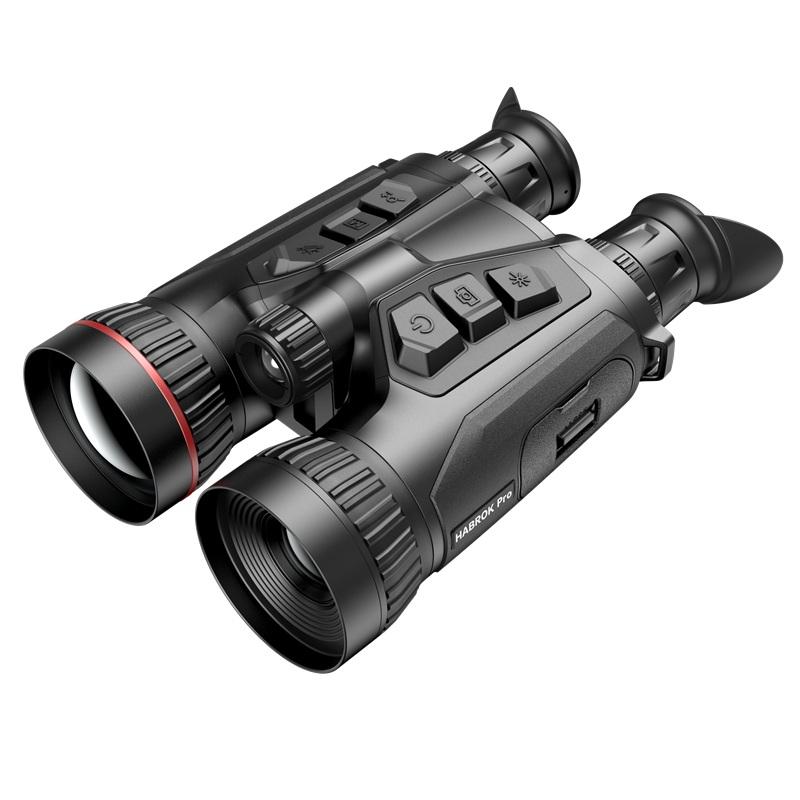
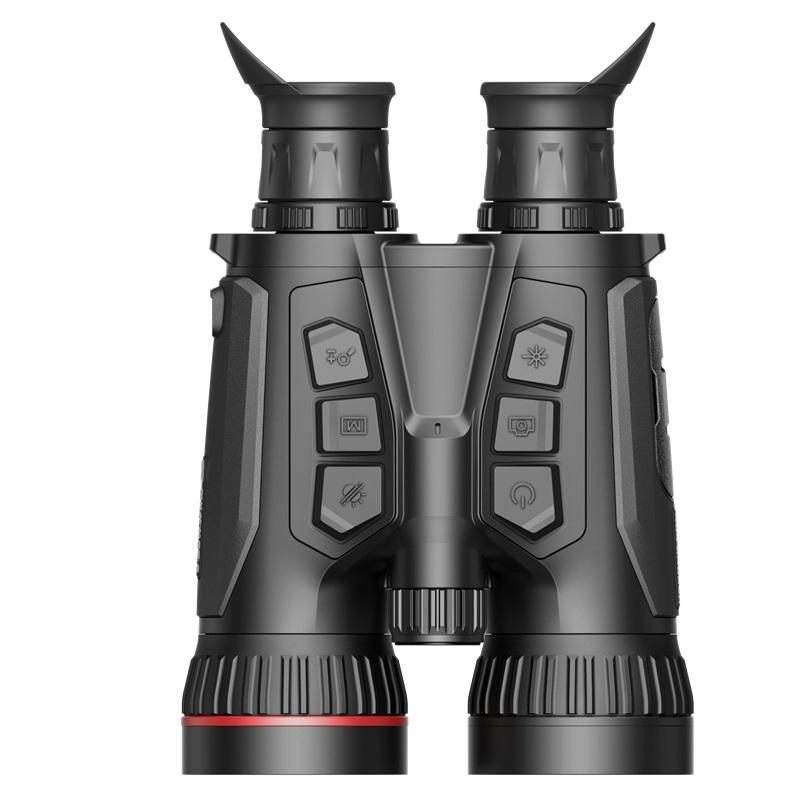
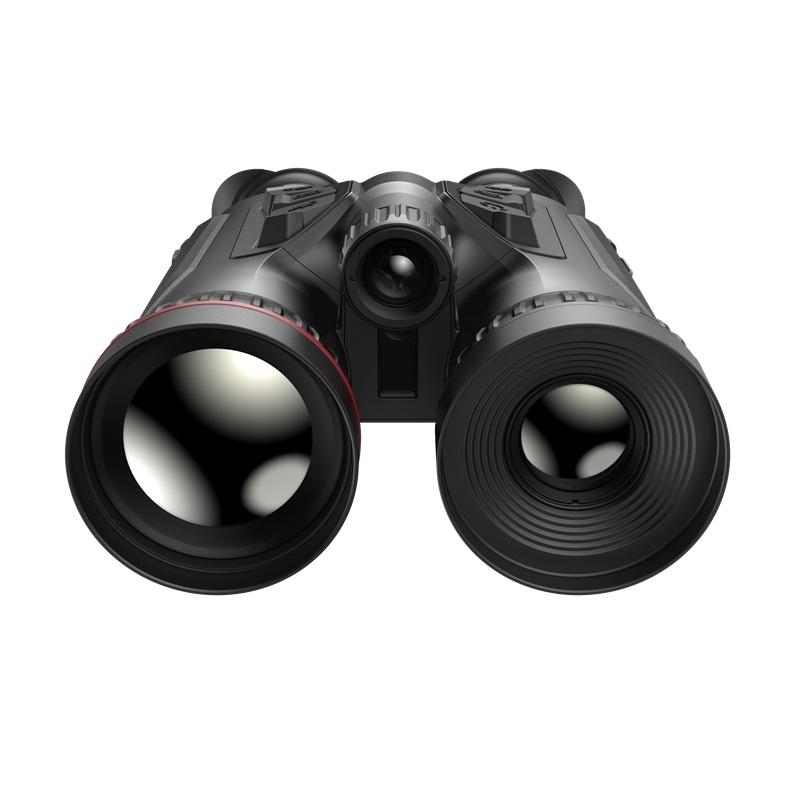
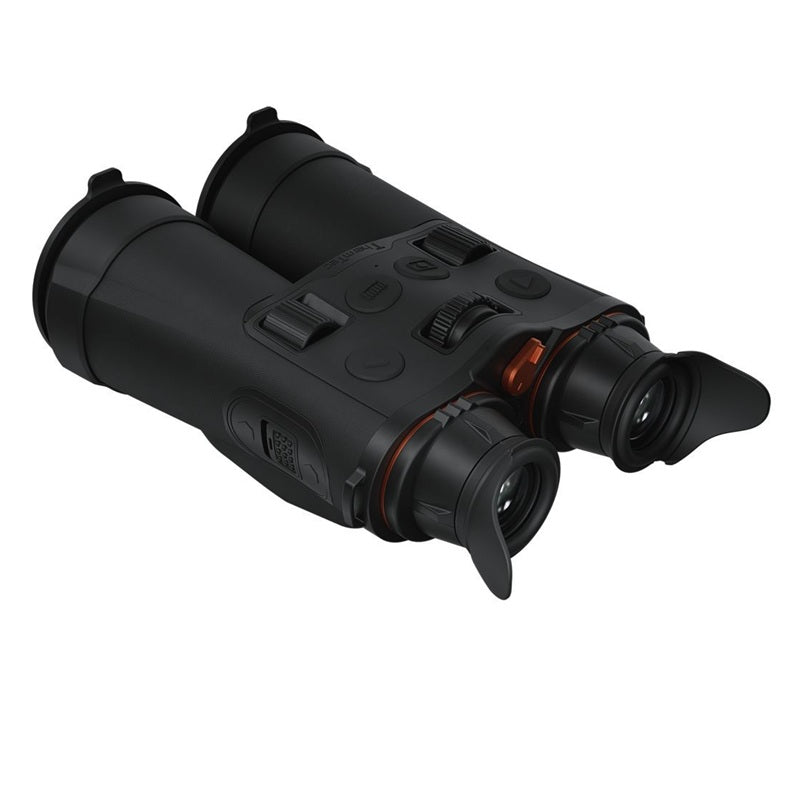
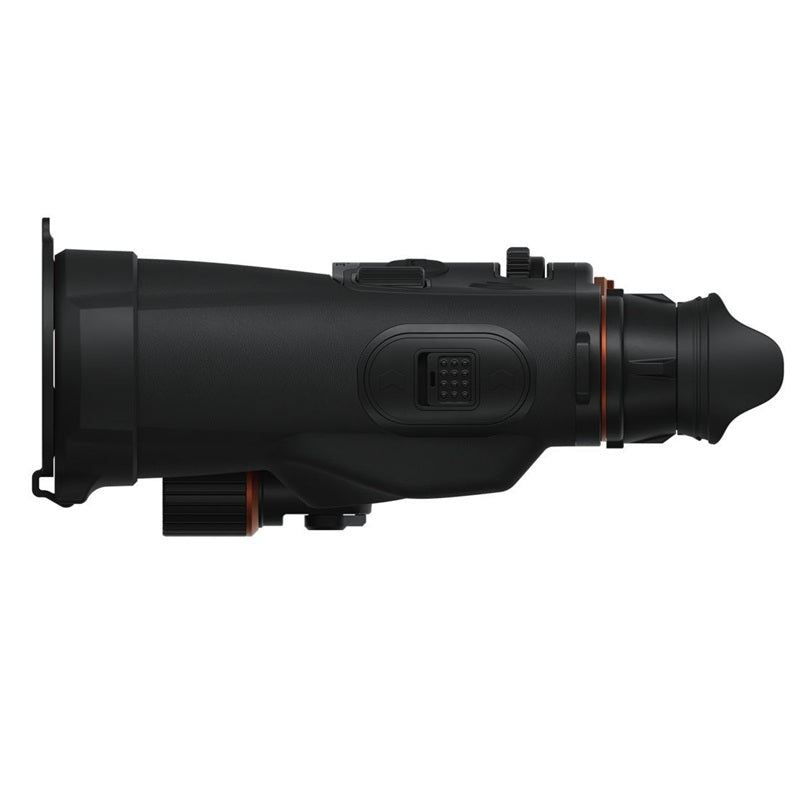
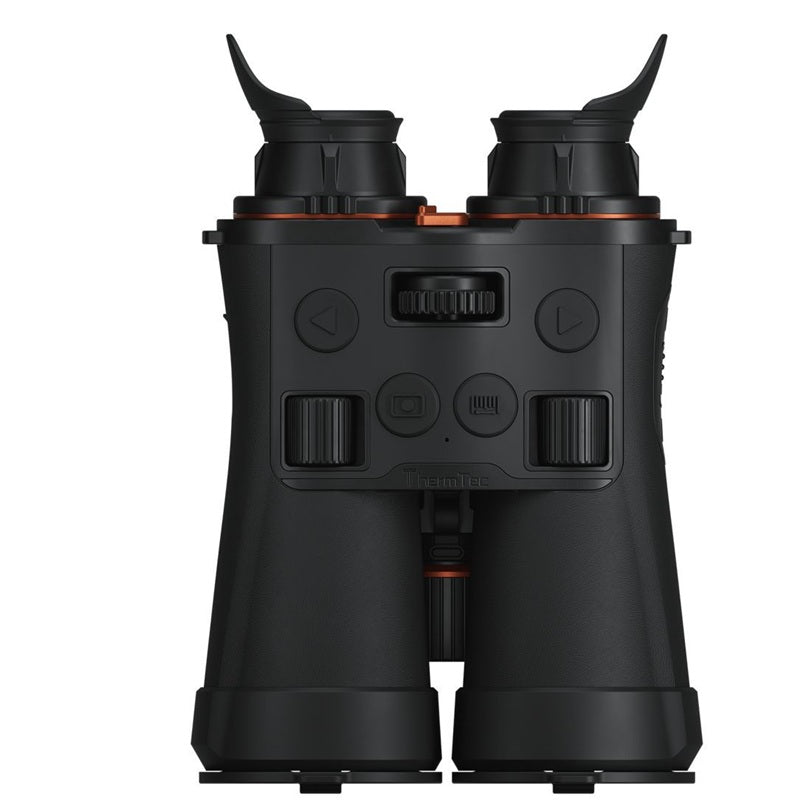
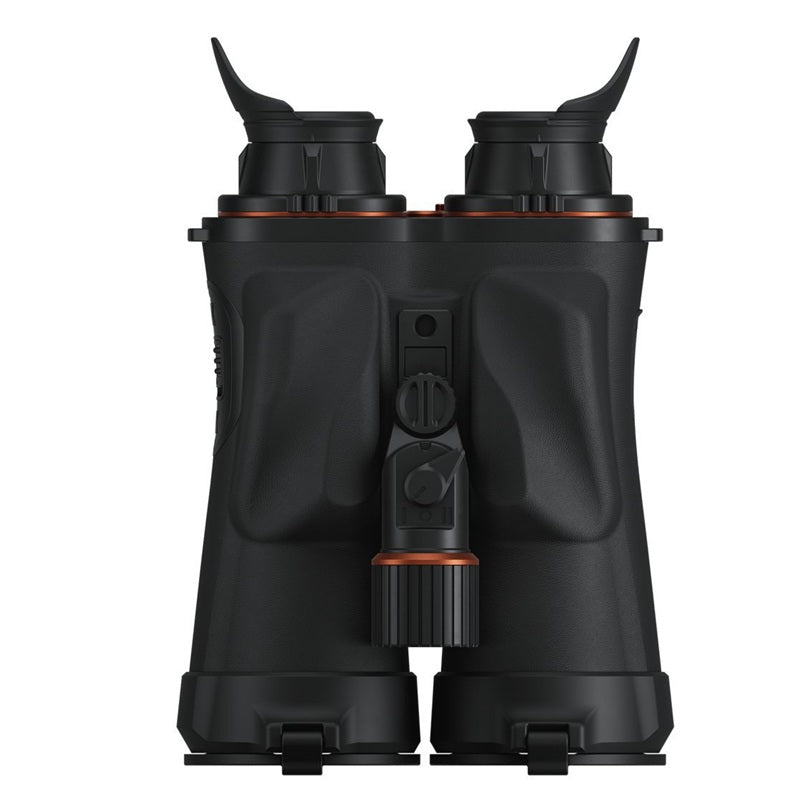
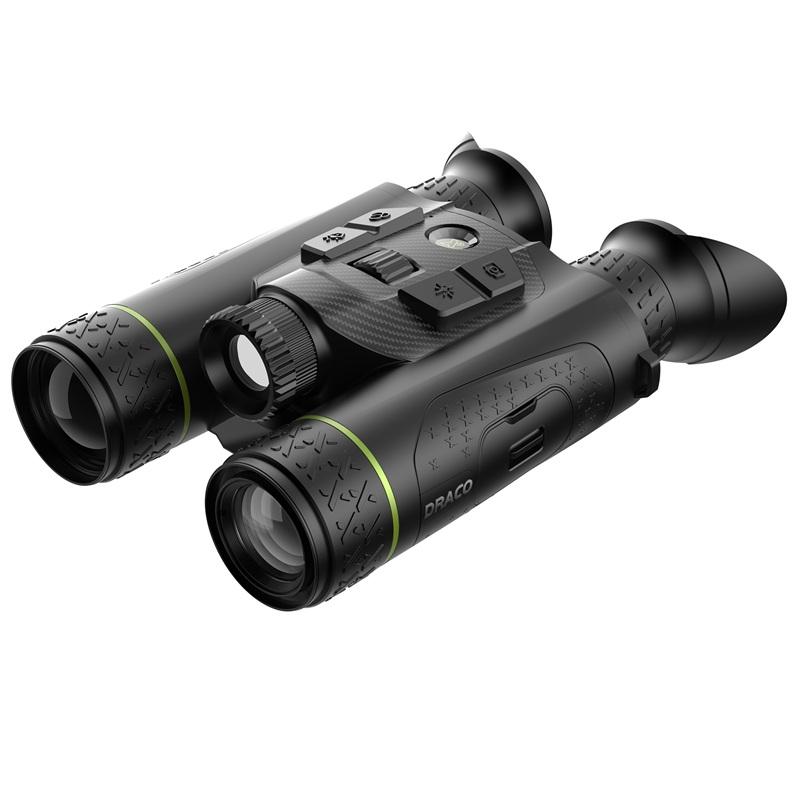
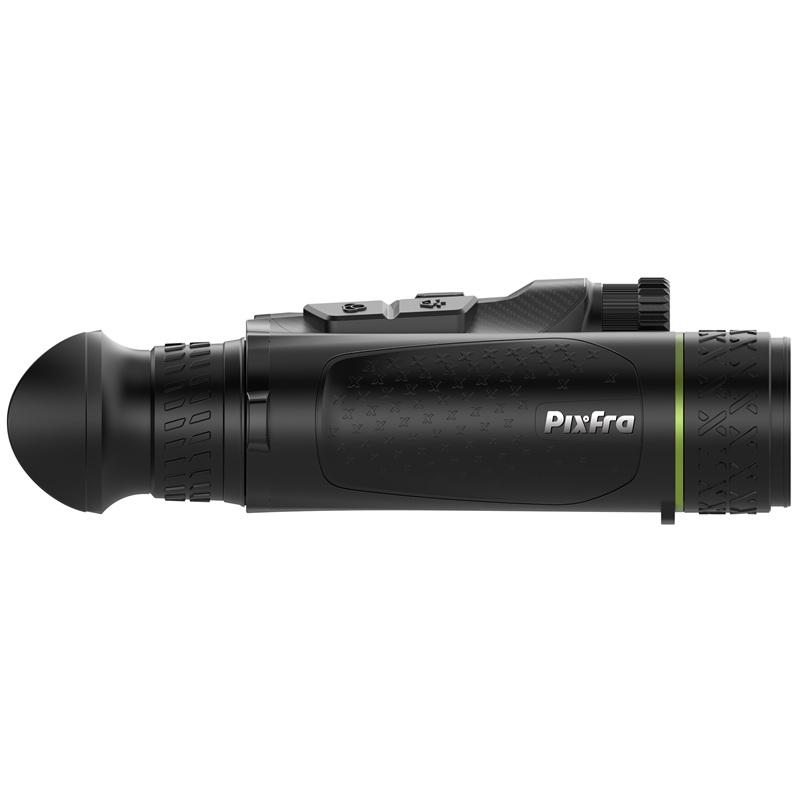
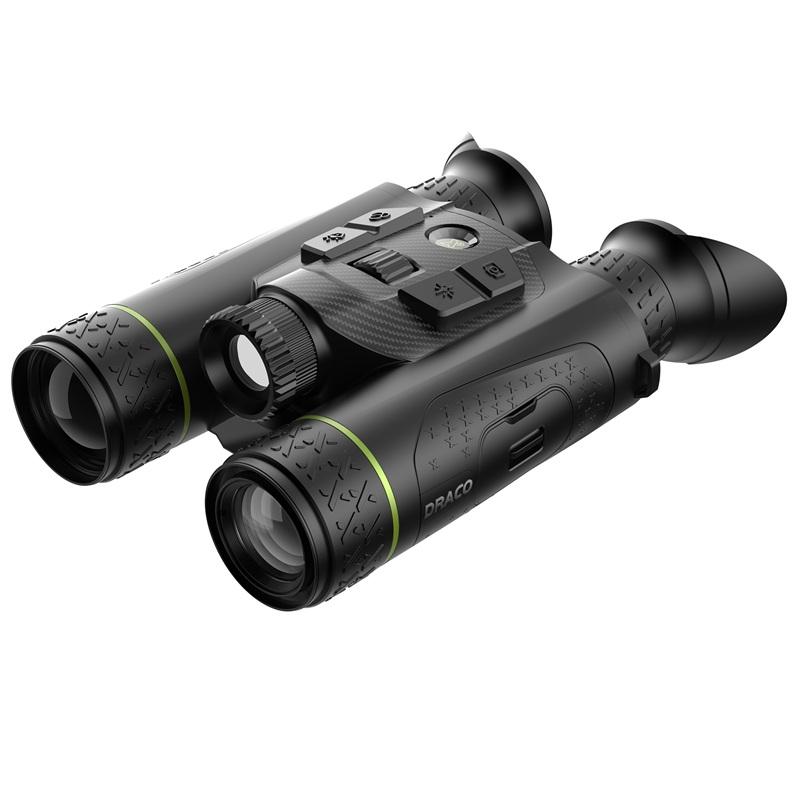
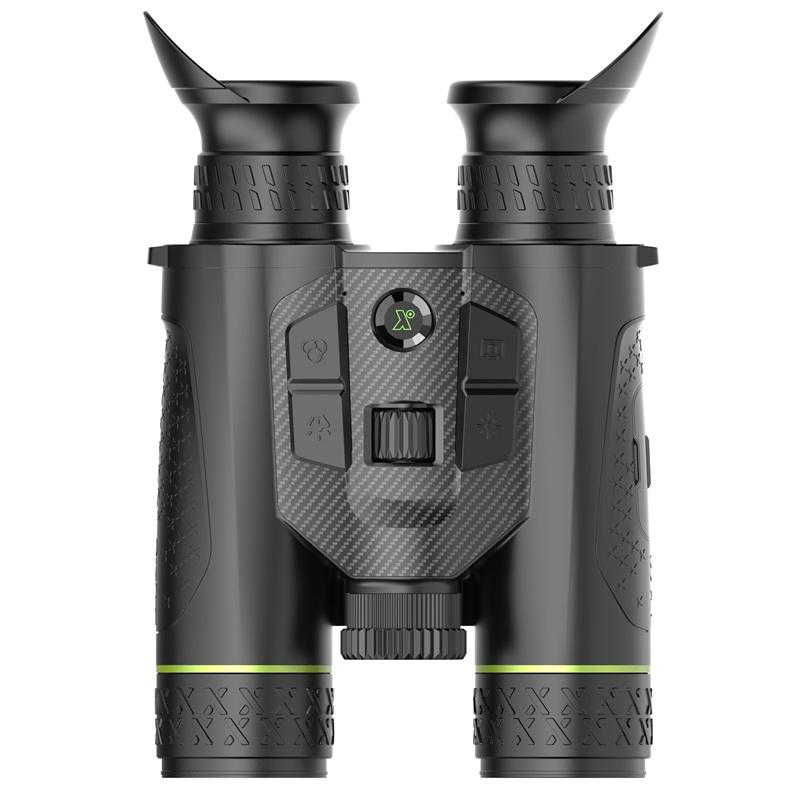
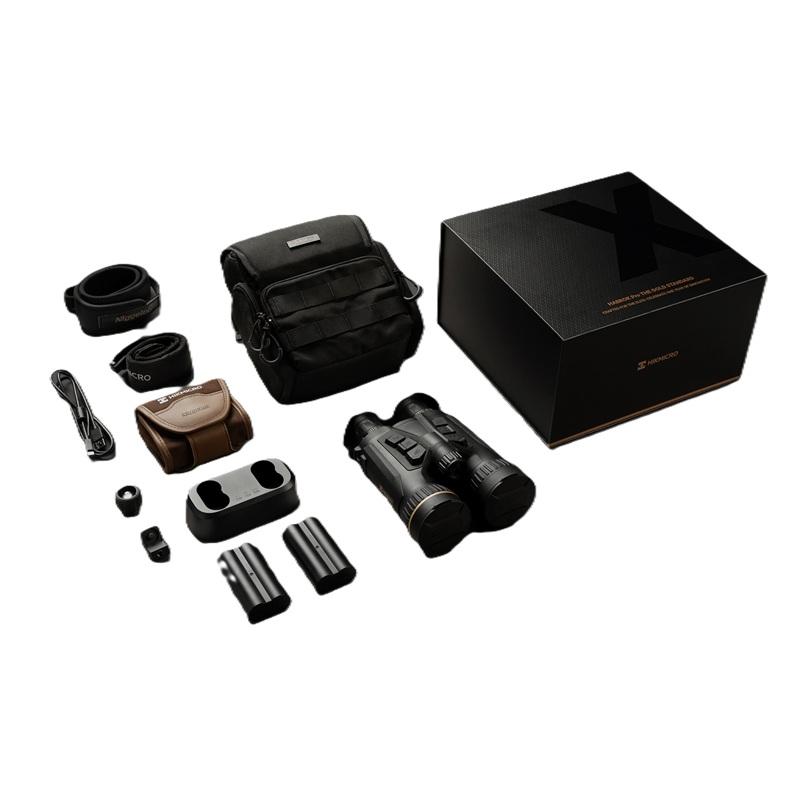
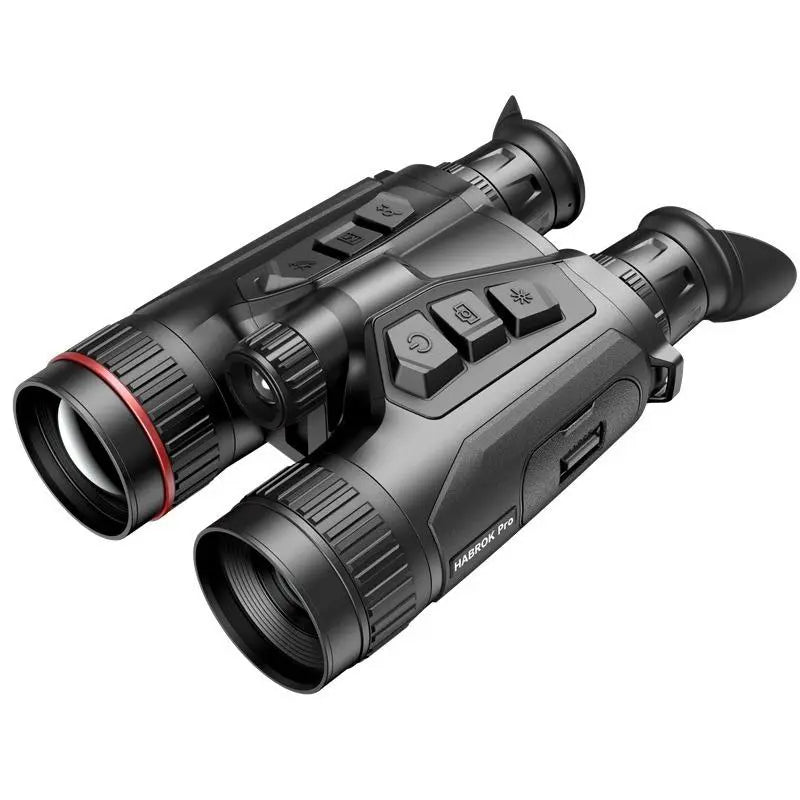
A binocular thermal imaging device enables clear vision in complete darkness, fog, or smoke. Using infrared technology, a binocular thermal imaging device makes heat sources visible and thus differs fundamentally from classic night vision devices, which amplify residual light. A binocular thermal imaging device is indispensable for hunters, security personnel, and rescue services, as it can precisely detect animals, people, or objects even in difficult environments. The binocular design ensures that both eyes are used, which increases viewing comfort and protects the eyes even during prolonged use.
Finding the Right Binocular Thermal Imaging Device
The choice of the appropriate binocular thermal imager depends on the individual needs of the user. The most important criteria include range, image resolution, and battery life. A high-resolution binocular thermal imaging device offers particularly detailed images, while models with a greater range can detect objects even over several kilometers. Many devices have additional functions such as digital image and video recording, which makes a binocular thermal imaging device particularly versatile. Robustness and weather resistance are also crucial factors, especially for professional use.
Applications of a Binocular Thermal Imaging Device
A binocular thermal imaging device is versatile. In hunting, a binocular thermal imaging device allows for the safe tracking of game even in dense forests or at night. Security personnel use a binocular thermal imaging device to detect unauthorized persons or dangers early. Rescue services benefit from it when searching for missing persons or victims in confusing situations. Even outdoor enthusiasts appreciate a binocular thermal imaging device, for example during nocturnal hikes or wildlife observation.
How the Binocular Thermal Imaging Device Works
A binocular thermal imaging device captures the infrared radiation emitted by every object with a temperature above absolute zero and converts it into a visible image. Depending on the heat intensity and color setting, various possibilities are displayed – hot areas often in red or yellow, cold in blue or black. The binocular design of a binocular thermal imaging device provides a natural viewing experience, as both eyes are used. Modern devices also feature digital zoom functions, color modes, and image stabilizers that enable clear and precise images even in motion.